

As an Agency that’s seen hundreds of sites succeed, and just as many flop, I can tell you this: a good website in 2025 isn’t just about looking sleek. Sure, beautiful design matters, but your site should be a business tool that loads fast, feels effortless to use, and actually moves people to take action. Whether that action is buying a product, booking a service, or signing up for your emails, the goal is the same, make the experience so smooth that your visitors barely notice they’re moving from “just looking” to “I’m in.”
The problem is, too many business owners treat their website like a one-time project. They launch it, feel proud for a week, and then forget about it until something breaks. That’s like buying a car and never getting an oil change. A high-performing site needs ongoing tweaks, updates, and fine-tuning if you want it to keep working hard for you.

Why Design Is More Than Just Looks
Your website design has a direct impact on whether people stay, click, buy, or bounce. A clean, readable layout keeps visitors on the page longer. A logical structure helps them find what they need without thinking. A fast-loading site not only keeps impatient visitors from leaving but also boosts your Google ranking. In other words, good design is as much about psychology and usability as it is about color palettes and typography.
Before you even think about colors or fonts, make sure you know three things:
- Your main goal (e.g., more signups, calls, or bookings)
- How you’ll measure progress using KPIs (Key Performance Indicators, like form completions, clicks, or page speed, which show if your site is doing its job)
- Who you’re designing for (new visitors, mobile users, returning customers, etc.)
If you don’t have these answers, you’re designing in the dark.
Building a Website That Works in 2025
When we start a new project, we don’t begin with the visuals, we start with the words. You need to clearly explain who your site is for, the problem you solve, and why you’re the best option. This sets the tone for the entire design and ensures the layout supports the message, not the other way around.
Consistency is next. Your brand’s colors, text sizes, and button styles should feel the same across every page. Visitors shouldn’t have to “relearn” how to use your site as they click around.
Speed is critical, too. Aim for under three seconds to load, every extra second makes visitors more likely to leave. That means optimizing images, cutting unnecessary code, and loading only what’s needed for each page. Some technical measures that show a site is fast and smooth:
- LCP (Largest Contentful Paint) – how quickly the main content loads (under 2.5 seconds is ideal)
- CLS (Cumulative Layout Shift) – how much the page moves around while loading (keep under 0.1)
- INP (Interaction to Next Paint) – how quickly buttons and links respond when clicked (under 200 milliseconds)
And don’t forget accessibility. Text should be easy to read, colors should have enough contrast, and every image should have a description so people using screen readers can still enjoy your content.
Finally, think mobile-first. Most people will visit from their phones, so design for thumbs, not mice: big buttons, short forms, and smooth scrolling.

Keeping It Simple
One of the easiest ways to improve your site’s effectiveness is to make decisions easier for your visitors. Keep your menu to 5–7 main items, make your homepage instantly communicate what you do and why you can be trusted, and give each landing page one clear focus and one call-to-action.
A flow that works almost every time is:
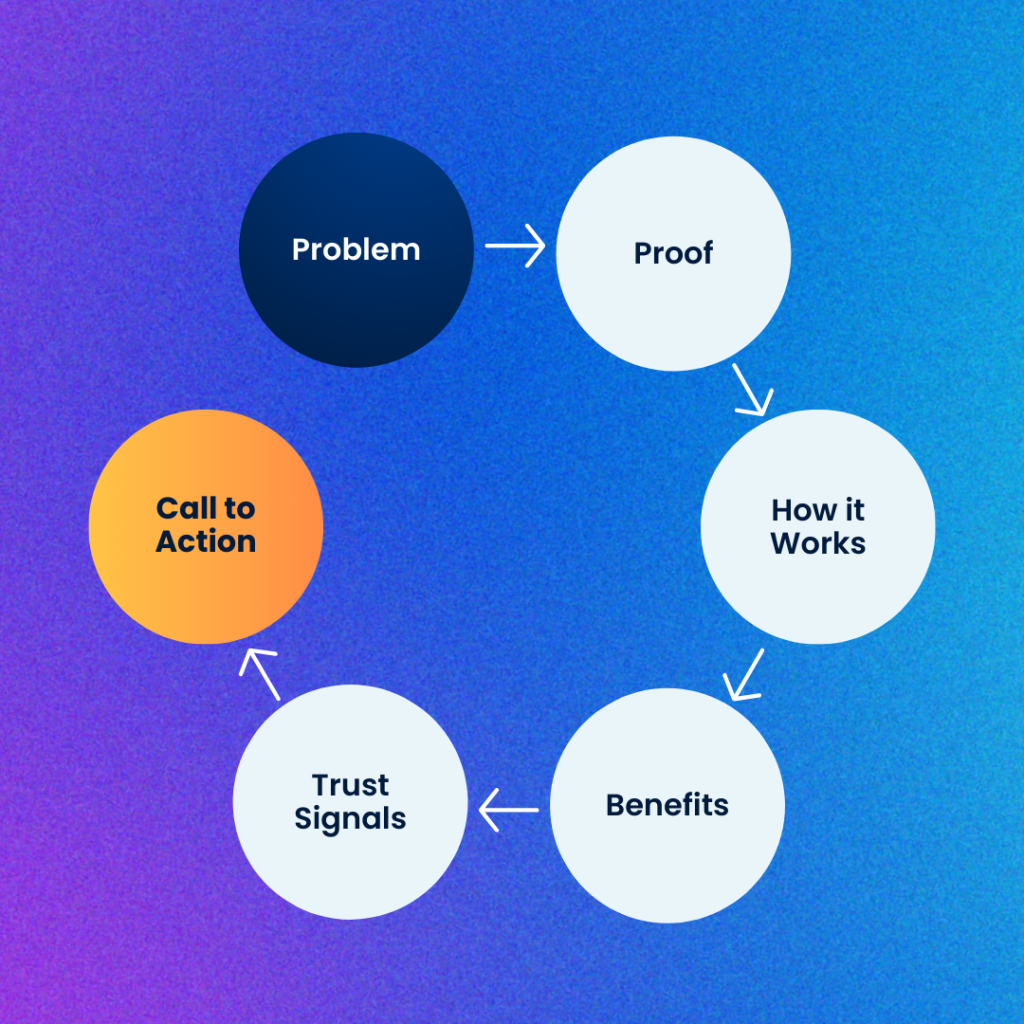
Turning Visitors into Customers
Everything on your site should point to the next step you want someone to take, whether that’s a “Get a Quote” button, a short sign-up form, or a direct phone number. Keep forms short and only ask for what you actually need. Surround your call-to-action with trust signals like customer reviews, partner logos, or awards. Small touches like a sticky “Contact” button on mobile or a gentle exit-intent pop-up can also keep people from slipping away.

SEO Without the Jargon
Search engine optimization doesn’t have to be intimidating. Use proper heading tags (H1, H2) so Google understands your content structure. Create pages for different types of search intent, from people just looking for information to those ready to buy. Write clear page titles and descriptions so your links look inviting in search results.

The Work Doesn’t Stop After Launch

Once your site is live, the real work begins. Track how people interact with it. Look at click heatmaps, form start rates, and page speed. Watch recordings of real visitors navigating your site to see where they hesitate or get stuck. Test new headlines, images, or button placements, and keep the winners. Remove anything that doesn’t pull its weight. The difference between a good website and a great one isn’t the launch, it’s what happens in the weeks, months, and years after.